

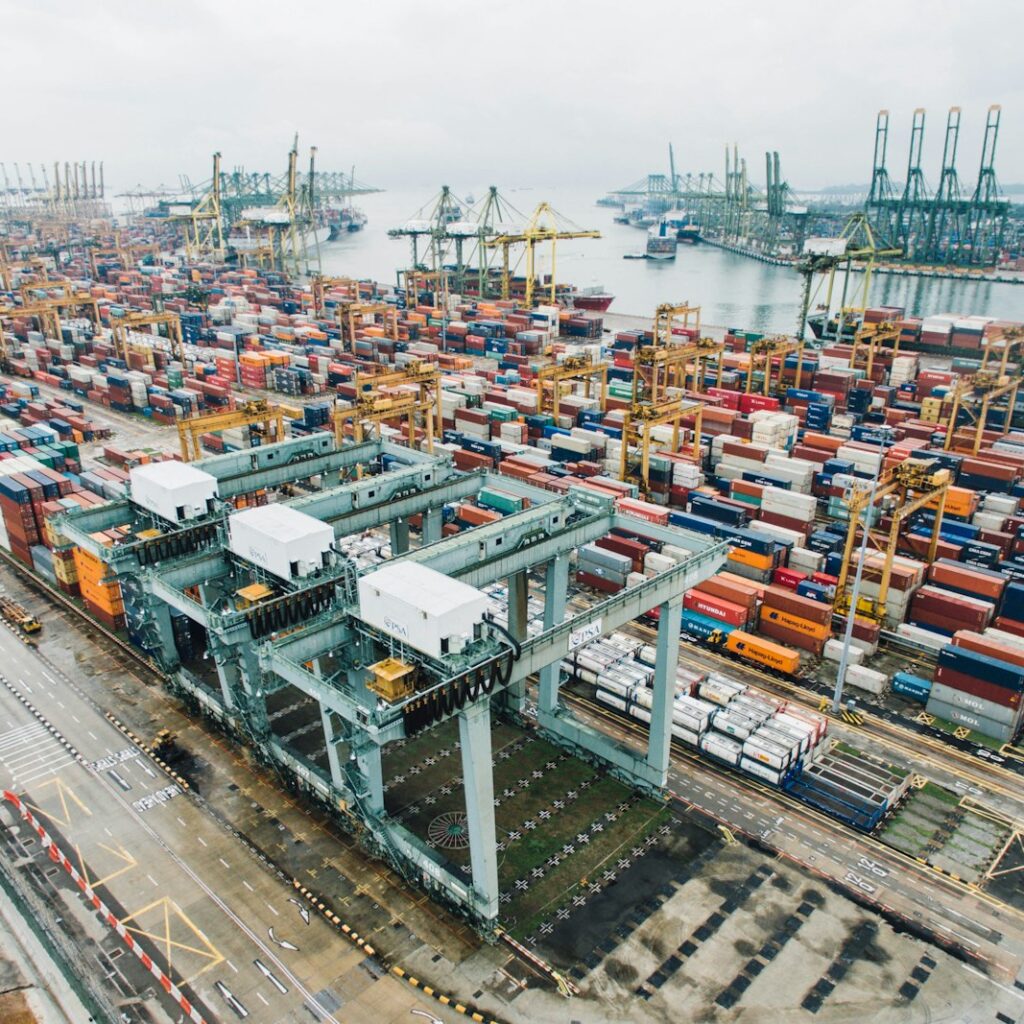
China is the world’s largest manufacturer of consumer goods, and a large share of the products sold in African markets, from phones and accessories to clothing, beauty products and household items, comes from Chinese factories. Traditionally, importing meant travelling, buying in bulk, paying for containers and storing stock. Dropshipping offers a different way to start.
In this beginner’s guide, we explain what dropshipping is, how it can work from China to Africa, the real challenges, and how to build a store that customers trust. This is the model behind Roccelh Drop, our dropshipping project.
What is dropshipping?
In a classic shop, you buy stock, store it and ship it when a customer orders. In dropshipping, you sell products online without holding stock. When a customer places an order on your website, you transmit it to a supplier, who ships the product. You earn the difference between your selling price and the supplier’s price, minus your costs.
The main advantages are a lower starting investment, no unsold stock, and the ability to test many products quickly. The main disadvantages are less control over quality and delivery, and lower margins per product.

The specific challenges of shipping to Africa
Many dropshipping guides are written for the United States or Europe, where fast, cheap delivery and standard addresses are the norm. Dropshipping to African countries requires more preparation:
- Delivery times: international shipping to many African cities can take several weeks, unless you use faster, more expensive options.
- Customs and duties: rules, fees and procedures vary by country, and parcels can be delayed.
- Last-mile delivery: addresses are not always standardised, so local delivery partners and phone contact are essential.
- Payment: customers often prefer mobile money or payment on delivery rather than prepaid card payments.
- Trust: customers may hesitate to pay in advance for a product that arrives weeks later.
Three models that work better for African markets
1. Pure dropshipping
The supplier ships directly to each customer. Simple, but delivery times and customs can be difficult. Best for light, higher-value products and customers who accept longer delays.
2. Consolidated shipping
Orders are grouped and sent together to a local hub by air or sea freight, then delivered locally. This reduces costs per item and simplifies customs, at the price of more organisation.
3. Local stock for best-sellers
Once you know which products sell well, you import a small stock of those items to deliver quickly, while continuing to test new products through dropshipping. Many successful sellers combine both approaches.
How to choose products
- Solve a real problem or meet a clear desire in your market.
- Prefer light, compact, non-fragile items, which are cheaper to ship.
- Avoid restricted products: batteries, liquids, cosmetics with certain ingredients, medicines and branded counterfeits can cause customs issues or legal problems.
- Check margins after including product cost, shipping, duties, payment fees, marketing and returns.
- Test before scaling: order samples yourself to check quality and delivery time.
How to choose suppliers
Chinese B2B platforms and dropshipping agents connect sellers with thousands of suppliers. Look for suppliers with a verifiable history, good reviews, clear communication, quality photos and reasonable processing times. A dropshipping agent in China can help with sourcing, quality control, packaging and consolidation, which becomes valuable as your volume grows. Language can be a barrier; professional translation helps avoid misunderstandings, a need our Roccelh Fanyi network addresses.
Building a store customers trust
- Be honest about delivery times. Customers accept waiting when they are informed; they do not accept surprises.
- Offer local payment methods, including mobile money.
- Provide order tracking and proactive updates.
- Use real product photos and accurate descriptions.
- Offer responsive support, especially on WhatsApp.
- Define a clear return and refund policy.
The technology behind a dropshipping store
A WooCommerce or Shopify store can be connected to dropshipping tools that import products, synchronise prices and stock, and forward orders to suppliers automatically. For African markets, the store must also integrate local payment methods, delivery zones, currency display and customer notifications by SMS or WhatsApp.

Legal and tax considerations
Register your business properly, understand the import rules and duties in your country, declare your revenue and respect consumer protection rules. Never sell counterfeit branded goods: besides being illegal, it can lead to seized parcels and a damaged reputation.
Conclusion
Dropshipping from China to Africa is not a magic formula for quick money, but it is a realistic way to start an e-commerce business with limited capital, test products and learn the market before investing in stock. Success depends on product selection, reliable suppliers, honest communication and a well-built store.
Roccelh builds e-commerce and dropshipping stores with supplier integrations, mobile money payments and delivery management adapted to African markets.
Ready to move forward? Contact the Roccelh team or write to start@roccelh.com for a free first consultation.