
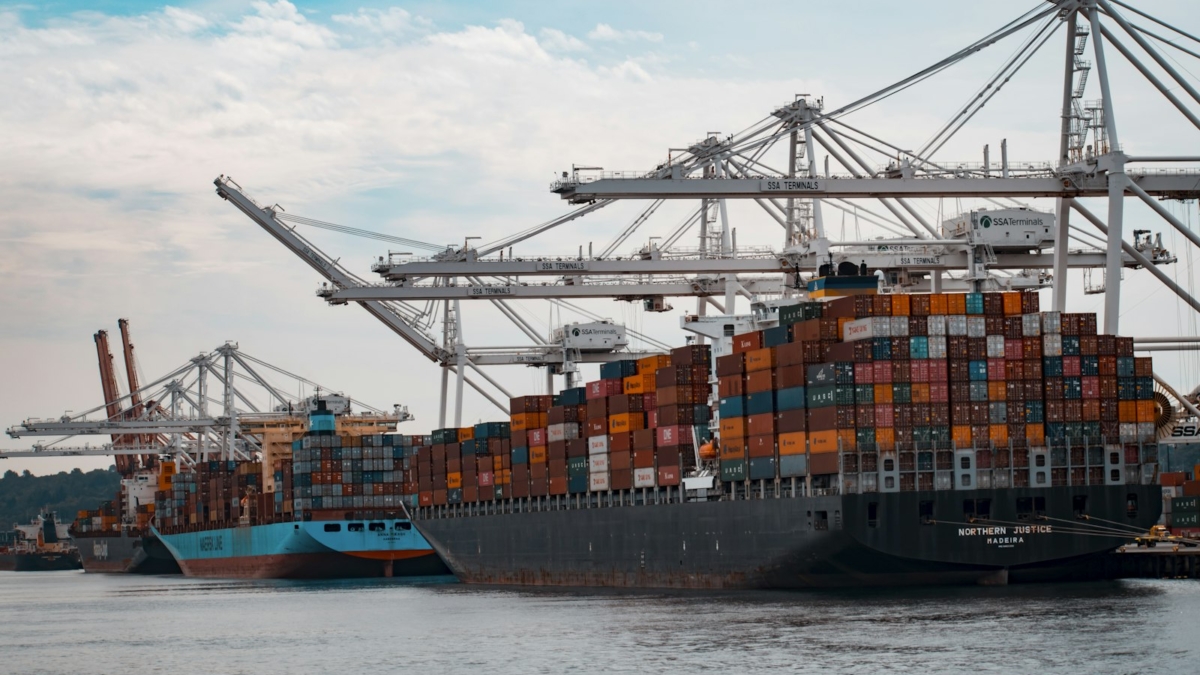
Trade between Africa and China has grown enormously over the past two decades. For African entrepreneurs, Chinese suppliers offer access to a huge range of products at competitive prices, from electronics and machinery to textiles, building materials and packaging. But many importers also have painful stories: products that did not match the samples, missed deadlines, misunderstandings about specifications, or payments sent to the wrong party.
Most of these problems can be avoided with a structured approach. In this guide, we cover the three pillars of working safely with Chinese suppliers: clear communication and translation, solid contracts and quality control.
1. Find and verify the right supplier
B2B platforms, trade fairs, referrals and sourcing agents are the main ways to find suppliers. Whatever the channel, verify before you pay:
- Company registration: request the business licence and check that the company name matches the one on invoices and bank details.
- Factory or trader? Both can be legitimate, but know who you are dealing with. Factories may offer better prices; traders may offer more flexibility.
- History and references: years in business, export experience, reviews and, ideally, references from other African buyers.
- Samples: always order samples before a large order, and keep them as a reference.
- Visits or inspections: for significant orders, a factory visit or third-party audit is worth the cost.
2. Communicate precisely, and translate professionally
Many disputes start with a simple misunderstanding. A word can have several meanings, a specification can be interpreted differently, or an important detail gets lost in an informal chat.
- Write detailed specifications: dimensions, materials, colours (with reference codes), tolerances, packaging, labelling, certifications.
- Use visuals: drawings, photos, reference samples.
- Confirm everything in writing, even what was agreed by voice call.
- Use professional translation for specifications, contracts and important negotiations. Machine translation is useful for everyday messages, but costly mistakes happen in technical and legal details.
Bilingual professionals who understand both Chinese and your language, as well as business culture on both sides, are a real asset. This is precisely why we created Roccelh Fanyi, a network connecting certified translators and interpreters with companies working across the Africa-China corridor.
3. Put the agreement in a clear contract
A purchase order or contract should specify at least:
- Product specifications, quantities and unit prices.
- Quality standards and how they will be checked.
- Production and delivery timelines, with consequences for delays.
- Payment terms and schedule.
- Incoterms (for example FOB or CIF) defining who pays for transport and insurance, and when risk transfers.
- Packaging and labelling requirements.
- What happens in case of defects: replacement, refund or discount.
- The governing language, law and dispute resolution method.
Ideally, prepare the contract in both languages, with a clause stating which version prevails. For large contracts, have it reviewed by a lawyer familiar with international trade.

4. Secure your payments
- Avoid paying 100% upfront. A common structure is a deposit before production and the balance after inspection or against shipping documents.
- Pay only to the company account that matches the registered business name. Be very suspicious of last-minute requests to pay a different account: this is a classic fraud.
- Consider secure payment methods: trade assurance services on B2B platforms, or letters of credit for large orders.
- Keep every document: proforma invoices, contracts, payment receipts and correspondence.
5. Control quality before shipping
Once goods are shipped, fixing problems becomes very difficult and expensive. Quality control should happen in China, before the balance is paid:
- Pre-production check: materials and components match the specifications.
- During-production inspection: early detection of defects.
- Pre-shipment inspection: a random sample of finished goods is checked against the specifications and the approved sample.
- Loading supervision: correct quantities and proper loading of the container.
Independent inspection companies and sourcing agents offer these services at a cost that is small compared to the risk of receiving a defective container.
6. Plan logistics and customs
Work with a reliable freight forwarder, understand the import requirements and duties in your country, and prepare documents in advance: commercial invoice, packing list, bill of lading or air waybill, certificates of origin and any product certifications required locally.

7. Build a long-term relationship
The best results come from stable partnerships. Suppliers prioritise buyers who communicate clearly, pay as agreed and order regularly. Respect, patience and understanding of business culture help build that relationship, and good relationships lead to better prices, priority production and more flexibility.
Conclusion
Working with Chinese suppliers can be very profitable for African businesses, provided you treat it as a professional process: verify, communicate precisely, formalise agreements, secure payments and control quality. The cost of these precautions is always lower than the cost of a failed order.
Roccelh supports businesses in the Africa-China corridor with digital platforms, bilingual websites and the Roccelh Fanyi network of certified translators and interpreters.
Ready to move forward? Contact the Roccelh team or write to start@roccelh.com for a free first consultation.