
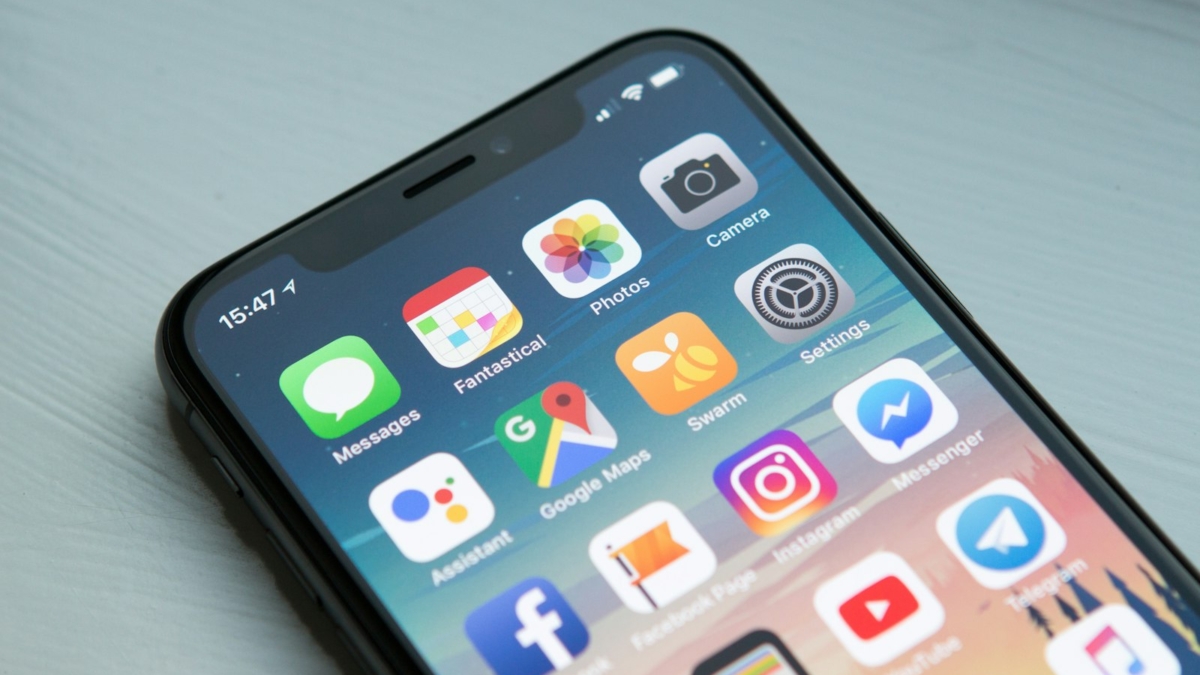
If you sell anything online in Africa, one question decides whether your website makes money or not: how will your customers pay? For most people on the continent, the answer is not a credit card. It is mobile money. Services such as M-Pesa, Airtel Money, Orange Money and MTN MoMo have turned the mobile phone into a wallet for hundreds of millions of people, and according to the GSMA’s annual State of the Industry reports, Sub-Saharan Africa accounts for the majority of the world’s mobile money accounts and transaction value.
Yet many African websites still only offer card payment or “pay on delivery”. The result is abandoned carts, lost sales and a lot of manual work. In this guide, we explain how mobile money payments work on a website, which options exist, how to choose a payment provider and what to watch out for.
Why mobile money matters so much for online sales
Bank card ownership remains limited in many African countries, and even customers who have a card often find that it is blocked for online payments or refused by foreign gateways. Mobile money, on the other hand, is familiar, trusted and available to anyone with a SIM card and a registered account.
When a customer sees their usual payment method at checkout, several things happen at once:
- Conversion increases: fewer customers abandon their order at the payment step.
- Trust increases: the customer recognises a brand they already use every day.
- Cash handling decreases: fewer cash-on-delivery orders means less risk for your delivery team and fewer fake orders.
- Your reach grows: you can sell to customers in other cities, or even other countries, without a physical presence there.
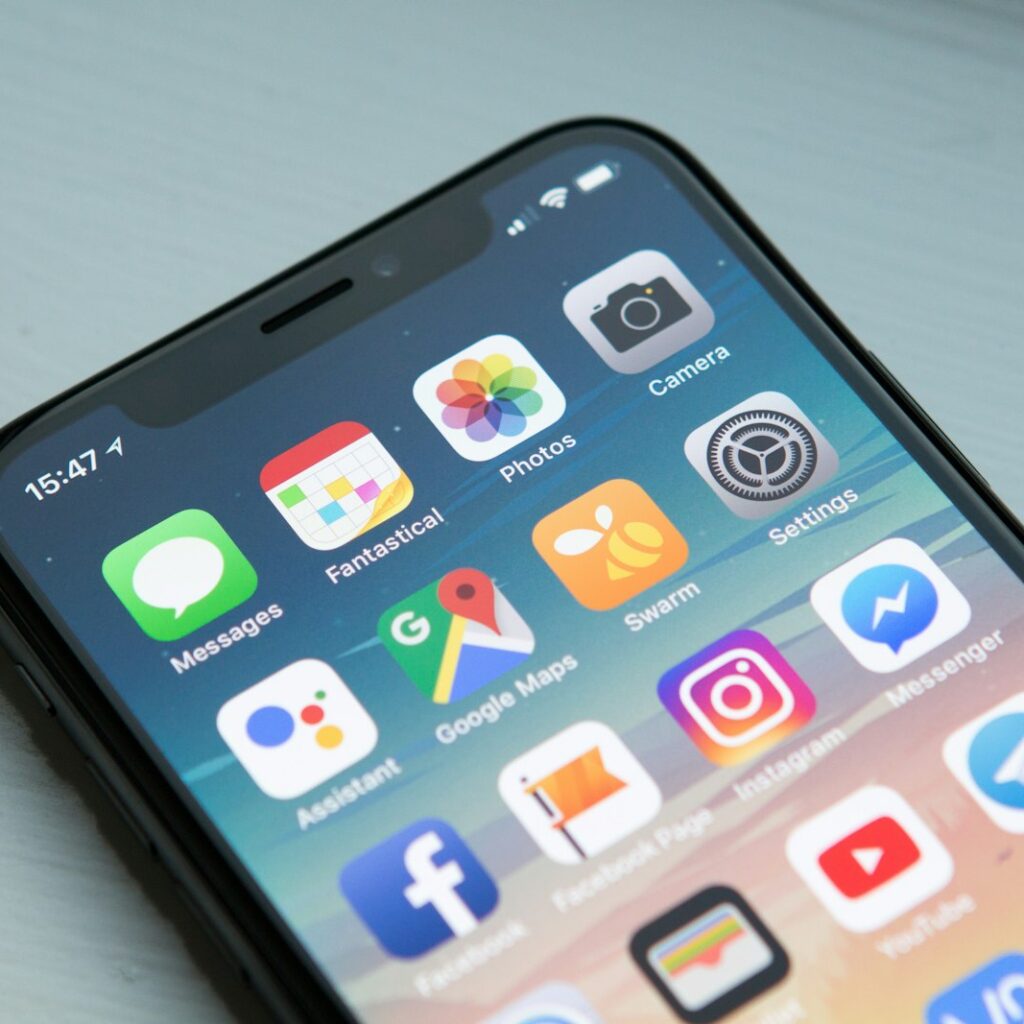
How a mobile money payment works on a website
From the customer’s point of view, the process is simple, and that simplicity is exactly why it works:
- The customer adds products to the cart or chooses a service, then goes to checkout.
- They select their mobile money operator and enter their phone number.
- They receive a prompt on their phone (a USSD push or an app notification) asking them to confirm the payment with their PIN.
- Once they confirm, the payment provider notifies your website instantly, and the order is marked as paid.
Behind the scenes, your website does not talk directly to each telecom operator. Instead, it connects to a payment aggregator, a company that has agreements with the operators and gives you one single integration covering several networks and countries.
Choosing a payment aggregator
Several companies offer mobile money and card payments for African websites. The right one depends on the countries where your customers are, the currencies you need and the platform your website is built on. Well-known names include Flutterwave, Paystack, CinetPay (widely used in francophone Africa), PawaPay, DPO Pay and Pesapal, alongside local solutions in specific markets.
Rather than recommending one provider for everyone, we advise our clients to compare them on the following criteria:
1. Country and operator coverage
Check precisely which operators are supported in each country you target. A provider may support M-Pesa in Kenya but not in the Democratic Republic of Congo, or Orange Money in Senegal but not in Cameroon. Coverage changes regularly, so always confirm with the provider directly.
2. Fees and settlement
Look at the transaction fee, any fixed monthly fees, the currency in which you are paid, and how quickly the money reaches your bank account or mobile wallet. A slightly higher fee can be worth it if settlement is faster and more reliable.
3. Business requirements (KYC)
Payment providers are regulated and must verify who they work with. Expect to provide company registration documents, identification for directors, proof of address and sometimes a description of your products and website. Prepare these documents in advance, as incomplete files are the main cause of delays.
4. Integration with your website
If your site is built on WordPress and WooCommerce, check whether the provider offers an official plugin. For custom websites and mobile apps, look at the quality of their API documentation, test environment (sandbox) and technical support.
5. Customer experience
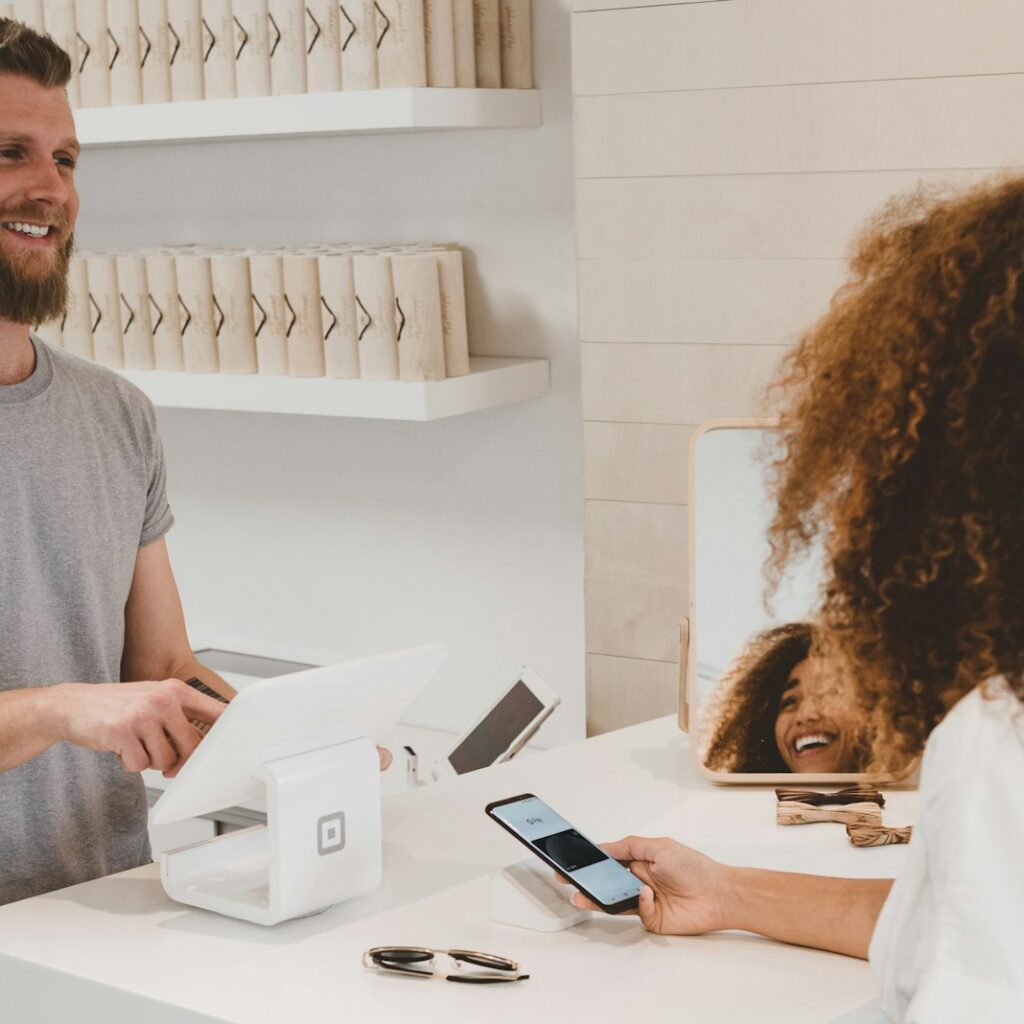
Test the payment flow yourself on a mobile phone. Is it fast? Is the page available in the languages your customers speak? Is it clear what the customer must do after entering their number? Small details here have a big impact on your sales.
Technical best practices
Accepting mobile money is not only about installing a plugin. A reliable payment system requires a few technical precautions:
- Use webhooks, not just redirects. The customer may close their browser before returning to your site. Your website must receive the payment confirmation directly from the provider (a webhook or callback) so orders are never left in an uncertain state.
- Verify every payment server-side. Never trust a confirmation that only comes from the customer’s browser. Always check the transaction status with the provider’s API before delivering.
- Handle pending and failed payments. Mobile money confirmations can take a few seconds or a few minutes. Your checkout should show a clear waiting state and allow the customer to retry.
- Protect your keys. API keys and secret keys must be stored securely on the server, never in the website’s visible code.
- Keep your site secure. HTTPS, up-to-date plugins and regular backups are mandatory once you handle payments.
Multi-currency and cross-border payments
Selling across borders is one of the most exciting opportunities of African e-commerce, but it adds complexity. Currencies such as the Congolese franc, the Kenyan shilling, the Nigerian naira and the CFA franc behave differently, and some businesses price in US dollars for stability. Decide early which currency you will display, which currency you will charge and how exchange rates will be handled. Some aggregators handle conversion for you; others require you to manage it.
A real example: crowdfunding with mobile money
When we built We.Roccelh, an African-oriented crowdfunding platform, mobile money was not an option, it was the foundation. Donors want to contribute a small amount quickly, from their phone, using the service they already trust. The platform is designed so that supporting a medical emergency, a school project or a community initiative takes only a few taps with M-Pesa, Airtel Money, Orange Money or MTN MoMo.
The lesson applies to every business: design your payment experience around the way your customers already pay, not around the way foreign platforms expect them to pay.
Common mistakes to avoid
- Offering only card payments and wondering why customers abandon their orders.
- Starting the KYC process too late, just before launch, and delaying the opening of the shop by several weeks.
- Not testing on real phones and real networks, including slower connections.
- Ignoring refunds and disputes: define a clear process before your first complaint arrives.
- Displaying hidden fees at the last step of checkout, which destroys trust.

Step-by-step: adding mobile money to your website
- List your target countries and operators based on where your customers actually are.
- Shortlist two or three aggregators that cover those operators and compare fees, settlement and support.
- Prepare your company documents and open a merchant account.
- Integrate in test mode, using the provider’s sandbox, and simulate successful, failed and pending payments.
- Go live with a small launch, monitor the first transactions closely, then scale your marketing.
Conclusion
Mobile money is not a niche feature for African websites. It is the payment method that makes online commerce possible for the majority of customers on the continent. Integrating it properly, with the right provider and a reliable technical setup, can transform a website from a simple showcase into a real source of revenue.
Roccelh designs and builds e-commerce stores, marketplaces, donation platforms and booking systems with mobile money and card payments built in from day one. Want to start accepting payments online? Talk to our team or email start@roccelh.com.