
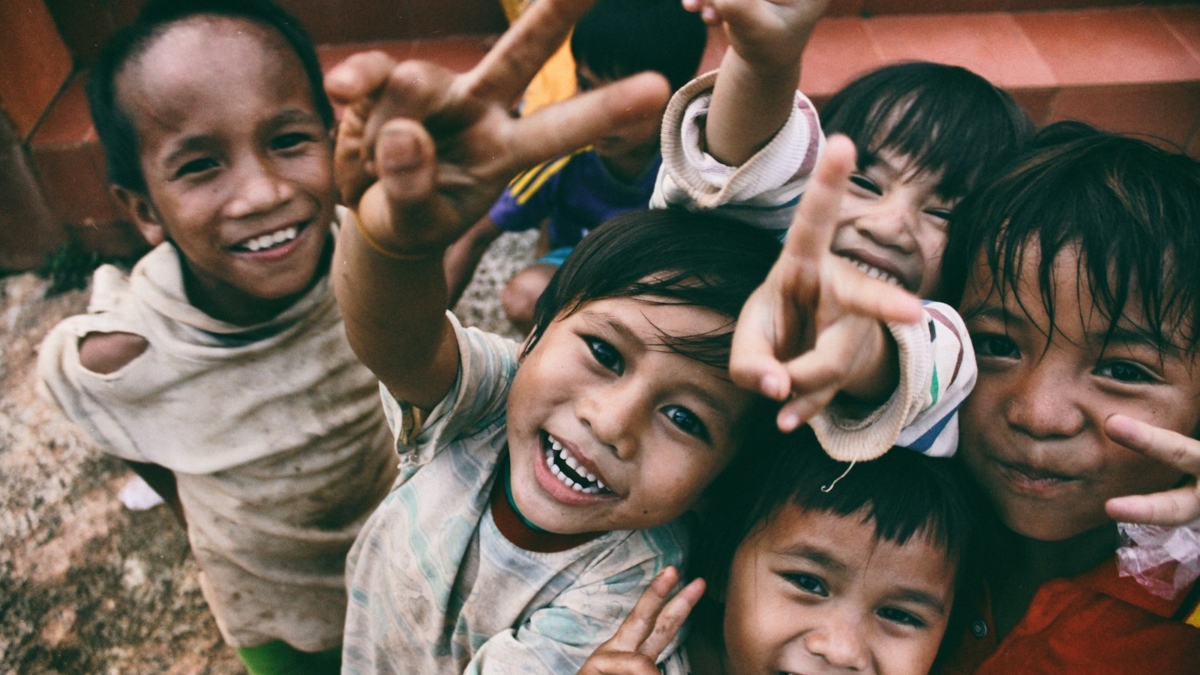
Solidarity is deeply rooted in African societies. When a family faces a medical emergency, when a community wants to build a well, when a student needs school fees or a young entrepreneur needs a first investment, people come together to contribute. For generations, this happened through family networks, churches, associations and savings groups such as tontines.
Today, that same solidarity is moving online. Crowdfunding platforms allow people to raise money from their community and beyond, and mobile money makes contributing as simple as sending a transfer to a friend. In this article, we explain how crowdfunding works in Africa, why mobile money is the key, and what it takes to build a platform people trust, drawing on our experience building We.Roccelh.
What is crowdfunding?
Crowdfunding means raising money from a large number of people, each contributing a relatively small amount, usually through an online platform. There are several types:
- Donation-based: people give to a cause without expecting anything in return (medical costs, education, emergencies, community projects).
- Reward-based: contributors receive a product, a service or a symbolic reward (a creative project, a new product launch).
- Equity or lending-based: contributors invest or lend money and expect a financial return. These models are heavily regulated and require specific licences in most countries.
Most African crowdfunding today is donation-based, and that is the model we focus on here.
Why global platforms do not always work for Africans
International crowdfunding platforms have helped many people raise money, but African campaign creators often face obstacles: limited country support for receiving funds, a dependence on bank cards that many contributors do not have, payouts that require foreign bank accounts, and interfaces that do not reflect local causes or languages.
The result is that a family in Kinshasa or Nairobi may be able to create a campaign, but their own community cannot easily contribute. An African-oriented platform starts from the opposite direction: it is designed around how people on the continent actually pay and give.
Mobile money: the missing piece
Mobile money services such as M-Pesa, Airtel Money, Orange Money and MTN MoMo are used by hundreds of millions of people. They allow anyone with a phone to contribute a few minutes after hearing about a campaign, without a bank card, without travelling and without cash.
For a crowdfunding platform, this changes everything:
- Many more people can give, including those who have never had a bank account.
- Small contributions become practical: many small gifts add up quickly.
- Campaigns spread through messaging apps: someone shares a link on WhatsApp, and friends can contribute immediately from the same phone.
- The diaspora can participate, when combined with international payment options.
Building trust: the foundation of every campaign
Money and trust are inseparable. Contributors want to know that the cause is real and that the money will reach its destination. A serious platform must build trust at every level.
Verification
Campaign creators should be verified: identity, contact details and, where relevant, documents supporting the cause, such as a medical estimate or a school invoice. For organisations, registration documents confirm legitimacy.
Transparency
Each campaign should clearly display its goal, the amount raised, the number of contributors and regular updates from the creator. Contributors want to see progress and results.
Clear fees
Platform fees and payment processing fees must be stated openly before anyone gives. Hidden deductions destroy trust faster than anything else.
Controlled payouts
Funds should be released through clear, documented processes, ideally to verified accounts, and in some cases directly to the beneficiary institution such as a hospital or school.
Tips for running a successful campaign
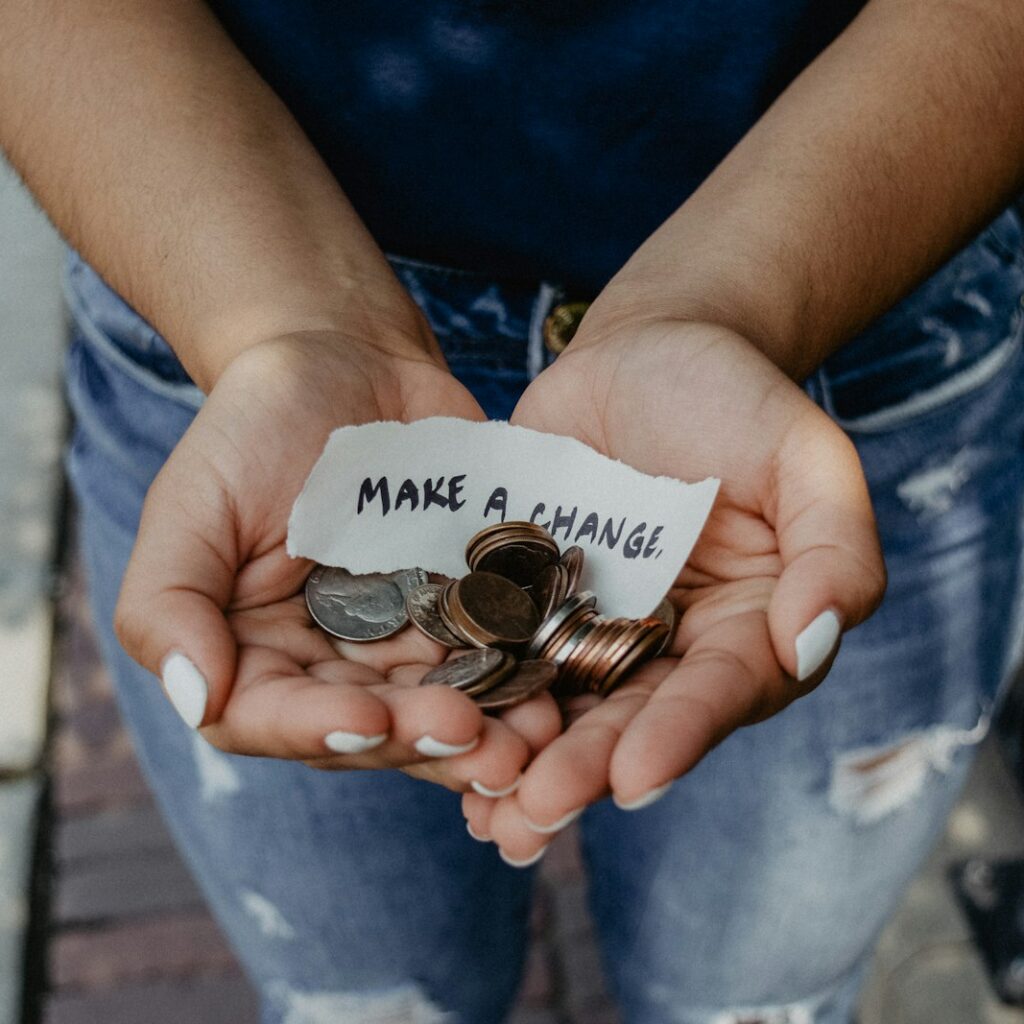
- Tell a real, specific story: who needs help, why, and what the money will change.
- Set a realistic goal and explain how the amount was calculated.
- Use real photos and, if possible, a short video.
- Start with your closest circle: early contributions encourage others to follow.
- Share widely on WhatsApp, Facebook and in your community groups.
- Post updates regularly and thank contributors publicly.
- Report on results when the campaign ends: show what the money achieved.
Categories that matter in Africa
On We.Roccelh, campaigns are organised around the causes people care about most: community and neighbours, emergencies and disasters, medical and family needs, education and learning, business and enterprise, environment and animals, sports, arts and events, faith and personal wishes, travel and volunteering. Clear categories help contributors find causes that resonate with them.
The legal side
Rules for collecting and transferring donations vary from country to country, especially for cross-border payments, charities and anti-money-laundering controls. Any platform, and any large campaign, should respect local regulations, keep accurate records and work with licensed payment providers.

Conclusion
Crowdfunding in Africa is not a foreign idea imported from elsewhere; it is the digital extension of a solidarity that already exists. Mobile money gives it the reach it needs, and a trustworthy platform gives it the credibility to grow.
Roccelh builds crowdfunding and donation platforms, including We.Roccelh, with mobile money integration, campaign management, creator verification and transparent reporting. Whether you are an NGO, a church, a school or an entrepreneur, we can help you raise funds online.
Ready to move forward? Contact the Roccelh team or write to start@roccelh.com for a free first consultation.